A Designer’s Review of the Nutrition Facts Mug Wrap
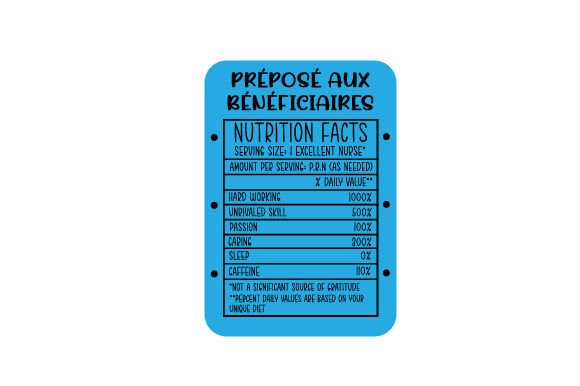
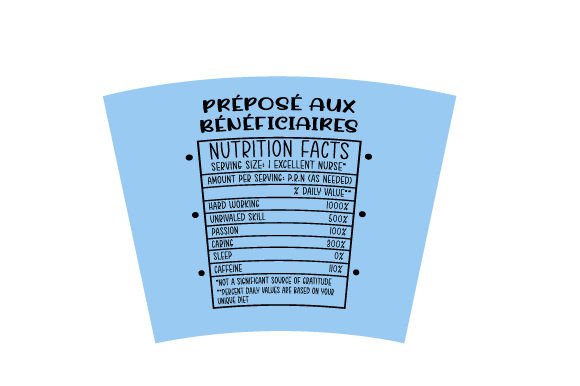
When I first opened the Préposé Aux Bénéficiaires Nutritrion Fact, 24 Oz Mug Wrap Blue embroidery design, my immediate thought was, “This is wonderfully specific.” It has a distinct personality. The design isn’t just generic text; it feels official, informative, yet playful with its structured layout and the use of “Préposé Aux Bénéficiaires.” It creates a mood of knowledgeable care, which makes sense given its categorization under Medical and Crafts. It’s a design that speaks to a niche—perfect for anyone in nutrition, caregiving, or who simply appreciates a clever, themed graphic.
The Ideal Project for This Mug Wrap Design
I picture this design stitched onto a sturdy canvas tote bag for a dietitian’s client gifts, or embroidered onto the breast pocket of a crisp, white apron for a cooking instructor. The blue colorway suggested in the title is calming and professional. Given the detail level and the likely use of text and graphical elements, this embroidery file would shine on items where the message is a feature, not just decoration. Think custom apparel like polo shirts for a wellness center staff, or a neat patch sewn onto a lunch bag. Its charm lies in its specificity.
For craft business owners, especially those selling on Etsy or at local fairs, this design could anchor a whole line of handmade products. A tea towel with this embroidered wrap design becomes a unique kitchen accessory. A pillow cover in a nurse’s or nutritionist’s office adds a personal touch. It’s a design that turns a simple sweatshirt into a statement piece for someone proud of their role. The key is pairing it with a product that matches its informative yet friendly vibe.
Real-World Stitching: Where It Works and Where to Be Cautious
In practical embroidery situations, the layout is paramount. The inclusion of formats like SVG, PNG, EPS, and DXF means you have flexibility for both machine embroidery and other craft applications. For machine embroidery, the success of this Préposé Aux Bénéficiaires Nutritrion Fact design will hinge on stitch density and small details. If the design includes fine lettering or intricate borders—common in such wrap-style graphics—you’ll need to be mindful.
For custom apparel like t-shirts or baby clothes on stretchy fabric, a robust stabilizer is non-optional to preserve clarity. On textured fabrics like sweaters, the fill stitches might sink in, so a test run on scrap material is essential. Dark fabric backgrounds require careful thread color selection; the blue mentioned might need to be brightened for contrast. Embroidering on curved surfaces like caps could be challenging if the design is wide, so checking the actual dimensions before hooping is a must.
This design would be stunning on a flat, stable surface. A kitchen towel, an apron panel, or a tote bag face are perfect candidates. For a personalized gift, like a holiday present for a healthcare worker, stitching it on a blanket or a neat pillow cover would look professional and heartfelt. The density of the design also matters for products that need frequent washing; a too-dense stitch area can feel stiff and may wear differently.
Visual Appeal and Customer Perception
How does this embroidery design affect the final product’s value? A well-executed stitch of this thematic design elevates a simple item. It shows thoughtfulness. For a small shop product or an Etsy listing, it communicates niche expertise, which builds customer trust. A buyer looking for a gift for a nutritionist would instantly recognize its relevance. The handmade presentation gains a layer of professionalism because the design itself has an official, clever structure.
For brand consistency, if your craft business focuses on medical-themed or educational crafts, this design is a strong asset. It’s giftable because it’s personal without being overly sentimental. In commercial embroidery projects, such as batch orders for a clinic’s promotional items, the design’s clarity and ready-made theme save time and ensure a uniform, polished look across many items.
Practical Notes for the Embroidery Designer
Before committing this design to a client project or your own boutique merchandise, do your homework. Always, always test the embroidery file on a piece of scrap fabric similar to your final product. This reveals how the stitch density behaves and whether any small details, like tiny lettering or decorative accents, become muddy.
Check thread color contrast against your background fabric. Create a black and white mockup to see the value structure, and compare how it looks on both light and dark backgrounds. The provided transparent PNG can be great for digital product previews or printable mockups, but for stitching, the machine embroidery file details are critical.
- Confirm the actual hoop size required—don’t assume.
- Inspect the design for any corners or elements that might need slight adjustments for your specific machine.
- Use the proper stabilizer for your chosen fabric; a design with this potential detail level deserves a clean foundation.
- Crucially, verify the licensing terms. The description doesn’t specify, so before selling finished items or using it in commercial embroidery, you must confirm it’s intended for commercial use. This protects your craft business and respects the designer.
Where This Design Finds Its Home
In my hands, the Préposé Aux Bénéficiaires Nutritrion Fact, 24 Oz Mug Wrap Blue feels like a design for makers who understand their audience. It’s not a mass-market graphic; it’s a conversation starter. It would fit beautifully into a collection of nurse appreciation gifts, nutritionist office decor, or clever culinary crafts. As a digital embroidery file, its utility extends beyond mugs—the wrap concept can adapt to many circular or centered projects.
For the creative entrepreneur, this design is an asset that can be used across mediums. The SVG and DXF files allow for cutting, the PNG for digital assets, and the core embroidery file for the rich, textured finish of stitching. It encourages you to think beyond the mug: imagine it on a round patch, a centered cap design, or as a featured element on a baby’s romper for a pediatric nutritionist’s child. Its strength is in its narrative.
Embroidery, at its best, adds meaning to material. This design carries a meaning—of service, of knowledge, of care. Stitched well, on the right product, it transforms a plain item into a specific, valued piece. Whether for a one-off personalized gift or for a line of small shop merchandise, it offers a practical, professional, and pleasantly niche option for your next embroidery project. Just remember to test, stabilize, and stitch with confidence.