The Sketch Injection Embroidery Design: A Designer's Honest Review
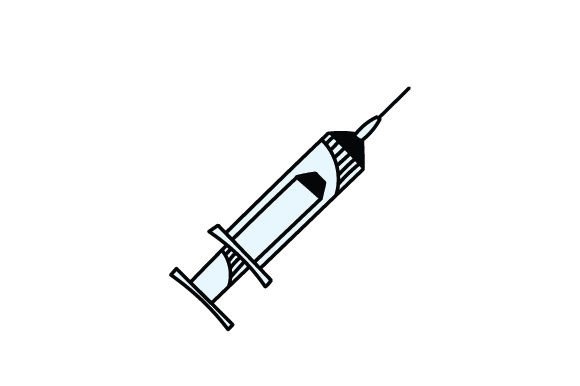
Let me start by saying that 'Injection - Sketch' is an intriguing name. When I first opened the file, I wasn't looking at a standard, sterile medical icon. Instead, I found a hand-drawn sketch of a syringe, a design that immediately tells a story. It’s not just a symbol; it feels like a note from a journal, a quick illustration from a textbook, or a thoughtful doodle. That sketch-like quality is its biggest strength. It moves the design from the purely functional category of 'Medical' into the expressive realm of 'Crafts' and personalized art.
First Impressions: Personality Over Precision
The mood here is casual, approachable, and slightly artistic. It’s a medical-themed design that doesn’t feel overly clinical or intimidating. The lines are loose, and the form is clear without being rigid. This is a design for people who want to acknowledge medical themes—maybe for a nurse, a student, a survivor, or someone with a personal story—but in a way that feels human and handcrafted. The visual personality leans towards authenticity rather than perfect polish. For an embroidery designer, that’s a fantastic starting point. It promises a finished product that looks intentionally handmade, not mass-produced.
The Real Project Test: A Custom Tote Bag Scenario
I imagined applying this to a practical project right away. Let’s say I’m preparing a custom embroidered tote bag for a pharmacy technician who loves a more artistic vibe. My client wants something unique for their work gear, not a generic logo. 'Injection - Sketch' fits perfectly. The sketch style would translate beautifully into stitch, with the running stitch lines of the drawing becoming the embroidered outlines. On a sturdy canvas tote, the design would have a lovely illustrative quality. It would look like a piece of custom art applied to the bag, elevating it from simple utility to a personalized professional accessory.
This is where you see its value for small business owners and Etsy sellers. A finished tote with this design isn't just a bag; it’s a niche product with a story. It could resonate with a whole community—healthcare workers, medical students, supportive families—who appreciate the softer, craft-focused interpretation. The same applies to a sweatshirt, a well-made apron, or a pillow cover for a clinic's lounge. It adds a touch of warmth to environments often associated with cold precision.
Where This Design Shines Across Your Product Line
Beyond that tote bag, 'Injection - Sketch' has broad application potential for creative entrepreneurs. Consider it for:
- Baby items or nursery decor for a medical professional’s family, where a cute, sketched syringe on a baby blanket becomes a sweet, personal tribute to a parent’s career.
- Embroidered patches that are trendy and meaningful, easily applied to backpacks or jackets.
- Personalized gifts like kitchen towels or pillow covers for a friend graduating from medical school.
- Small shop merchandise for a boutique that carries niche, theme-based apparel.
- Printable mockups and digital product previews for those selling the embroidery file itself; the sketch aesthetic is visually appealing in listings.
The key is that it works as a custom apparel detail and a standalone handmade product motif. It doesn’t require elaborate supplementary designs. It holds its own.
Practical Considerations: Where to Use Care
However, the sketch style comes with necessary cautions for real embroidery work. The apparent looseness of the lines relies on clarity in stitching. Here’s where a designer’s practical judgment matters.
On stretchy fabrics like standard t-shirts, small, fine details can distort. I would be more confident putting this on a stable fabric like denim, canvas, or a firm cotton twill. On a cap or curved surface, the design’s central shape should work well, but you must use adequate stabilizer and possibly adjust hooping technique to keep the sketch from looking warped.
Since the product description lists multiple vector formats (SVG, EPS, DXF) and a transparent PNG, scaling should be flexible. But with any machine embroidery design, stitch density and detail integrity at small sizes are crucial. If you plan to make a very small version on a baby clothes collar, for instance, test it first. Some of the sketch's nuance might get lost if reduced too much. Conversely, on a large pillow cover, it would be stunning.
Dark fabric is another consideration. The sketch lines are presumably single strokes. Using a high-contrast, bright thread on dark backgrounds will make it pop beautifully. But on textured fabrics like some sweaters, you’ll need to ensure your stabilizer choice is robust to keep the clean lines of the drawing sharp.
How This Design Impacts Your Business & Customer Trust
From a commercial perspective, using a design like 'Injection - Sketch' affects more than just the stitch. It affects perception. For your customers, a sketch-style embroidered item signals thoughtfulness. It doesn’t look like you downloaded a clip-art and ran it. It looks curated. That builds customer trust in your taste as a maker.
It enhances product value and giftability. A gift with this design feels more personal than a standard emblem. It also aids brand consistency for a small business focused on hand-drawn, artistic styles. Your entire lineup can carry a cohesive, authentic handmade presentation.
For digital product sellers, this file, offered in multiple formats, is a versatile design asset. Its clear theme and craft-oriented execution make it an attractive option for fellow embroidery artists looking for something specific yet artistic.
Essential Designer Notes Before You Stitch
Before you load this file into your machine for a real embroidery project, here’s my standard advice, tailored for this specific design:
- Always test the design on scrap fabric first, preferably a scrap of the actual material you intend to use.
- Check thread color contrast. Do a mental mock-up. Would a single bold color work best for the sketch lines, or a slightly muted tone to enhance the doodle feel?
- Review stitch density in your software. The sketch lines should translate to clean running or satin stitches. Ensure they aren’t programmed too dense, which could make the design stiff on softer fabrics.
- Confirm hoop size suitability. The design likely has a natural ideal size. Don’t force it into a too-small hoop.
- Inspect small details like the tip of the syringe or any tiny lines. Make sure they will stitch out clearly.
- Test it in black and white mockups on your computer to see how it reads on both light and dark backgrounds.
- Use proper stabilizer for your chosen fabric. This is non-negotiable for maintaining the design’s integrity.
- Critically, confirm licensing before selling finished items or digital products. The product description doesn’t specify license terms, so you must verify if it’s for personal use, commercial use, or both. This is a cornerstone of professional and ethical craft business operation.
Ultimately, 'Injection - Sketch' is a design with character. It bridges a specific theme with a universal craft appeal. For the embroidery designer, small business owner, or crafter looking for a medical-themed design that feels more like art than instruction, this file offers a solid, stylish foundation. It’s a reminder that even niche themes can be executed with warmth and personality, turning a simple embroidery project into a meaningful finished product.