A Designer's Honest Review of the 'First Aid Kit - Sketch' Embroidery Design
First Impressions: A Friendly, Approachable Medical Theme
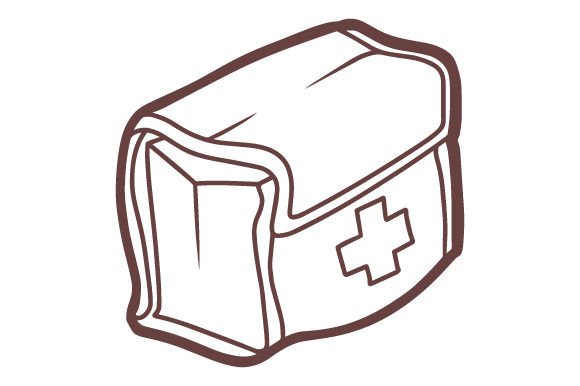
When I first opened the 'First Aid Kit - Sketch' embroidery design, my immediate thought was "this is charming." It's not a stern, clinical symbol, but rather a friendly sketch. The loose, illustrative style creates a mood of approachable preparedness, which is a clever angle for the medical category. The layout feels balanced, with the kit's elements arranged in a way that suggests it was drawn by hand, giving it a warm, handmade personality. This isn't a design for a hospital logo; it's a design for a crafter making a thoughtful gift for a nurse, a parent, or a first-time homeowner.
The detail level is well-judged. It has enough character to be interesting but doesn't look overly dense or intimidating to stitch. As a crafts-focused design, its visual personality tells me it naturally belongs on personal items, gifts, and small business merchandise where a softer, more artistic take on a practical theme is desired.
Where This Sketch Shines: Perfect Project Pairings
In real-life embroidery situations, this design's strength is its versatility within a specific niche. I envision it beautifully stitched onto a canvas tote bag for a healthcare student – a practical, daily-use item with a personal touch. It would be a heartfelt addition to a baby's blanket or nursery decor item for a family in the medical field, making the 'crafts' label feel very appropriate.
For small business owners and Etsy sellers, this sketch translates wonderfully into a range of products. An embroidered patch featuring this design could be a popular item for craft fairs, appealing to both hobbyists and professionals. It would look excellent on a chef's apron or a kitchen towel in a home that values safety and preparedness, moving beyond typical medical contexts. As a focal point on a pillow cover or a tea towel, it becomes a subtle piece of home decor. For holiday gifts, a sweatshirt or cap with this design for a friend who's always the prepared one would be a unique and appreciated present.
Thinking Like a Customer: Visual Appeal and Value
From a buyer's perspective, this design boosts product value through its recognizability and warmth. On a custom apparel item, like a sweatshirt, the sketch style feels current and artistic, elevating a simple garment. For personalized gifts, it adds a layer of thoughtfulness that generic designs lack. Its clear, friendly imagery fosters trust and engagement; a customer sees a well-executed, charming design and connects with the item's story. For brand consistency, a boutique focusing on handmade, illustrative goods could use this as a core asset across different products, from tote bags to printable mockups for their digital listings.
Practical Considerations: Where to Use with Care
While the 'First Aid Kit - Sketch' is adaptable, its successful application depends on mindful execution. The sketch lines and details, while not microscopic, mean you should be cautious on very small hoop sizes. The design might lose clarity if reduced too drastically for a tiny baby hat or a delicate corner of a cap.
Textured or very stretchy fabrics could challenge the clean presentation of the sketched outlines. On dark fabric backgrounds, thread color contrast is paramount—you'd need to choose a palette that pops, not blends. For products destined for frequent washing, like kitchen towels or baby clothes, ensuring the stitch density is appropriate and using a robust stabilizer is key to longevity. The design isn't overly dense, which is good, but testing on scrap fabric first is always my rule.
Embroidery Designer Notes for Real Projects
Before committing this design to a client project or your small shop merchandise, here’s my practical checklist. Always test stitch it on a scrap of your intended fabric first. This is the only way to truly review stitch density and see how the sketched details translate into thread. Check your thread color contrast by previewing the design in both black and white mockups against your fabric color.
Confirm your hoop size can accommodate the design without forcing you to miniaturize it too much. Inspect the small details in the kit's sketch elements on your machine's preview to ensure they will stitch out clearly. Use a stabilizer suited to your fabric—for a tote bag, a firmer stabilizer; for a t-shirt, a cut-away might be necessary. Crucially, since this is a digital embroidery file, confirm the licensing terms provided with the design before selling finished items or using it in commercial embroidery projects for clients. The provided formats—SVG, PNG, EPS, DXF—are excellent for flexibility, but the license dictates your use.
The Final Stitch: A Design Built for Meaningful Making
Ultimately, the 'First Aid Kit - Sketch' is a design asset that empowers makers. It’s not just a graphic; it’s a starting point for creating something with resonance. It affects professionalism by allowing you to offer a unique, well-designed product. It enhances giftability by being both useful and personal. For the creative entrepreneur, it’s a tool to build a product line around a theme of care and preparedness. Whether you're embroidering it onto a blanket for a gift, a patch for your Etsy shop, or an apron for your own kitchen, its friendly sketch style promises a finished product that feels handmade, thoughtful, and genuinely appealing.