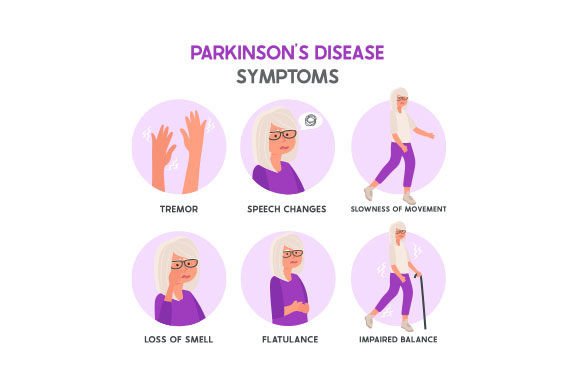
A Designer's Review of the Parkinson's Disease Symptoms Chart Embroidery File
Whenever I'm considering a new embroidery design for client projects or my own small shop products, my first question isn't just about aesthetics—it's about real-world application. How will this design translate from a digital file to a stitched, tangible product? Today, I'm looking at the Parkinson's Disease Symptoms Chart embroidery file, a design that sits in an interesting intersection of the Medical and Crafts categories. My review is based purely on how this design would perform in the hands of an embroidery designer, crafter, or small business owner.
First Impression: Purposeful and Informative
The design immediately conveys a mood of clarity and support. It’s not a whimsical illustration; it’s a structured, informational chart. This visual personality speaks to a specific need. For embroidery, this means the design belongs to projects where communication and awareness are central—it’s a design with a message. I picture it not on a decorative holiday towel, but on something intended for meaningful gifting or supportive community wear. The layout, with its clear title and presumably listed symptoms (based on the name), suggests a level of detail that requires careful stitching to remain legible.
Where This Design Finds Its Natural Home
Let’s walk through a real scenario. Imagine a client requests a custom embroidered tote bag for a Parkinson's support group walkathon. This chart design would be a powerful choice. Stitched onto a canvas tote, it becomes a functional, wearable piece of awareness. Similarly, it could be beautifully applied to the back of a custom sweatshirt for a caregiver, or as a central motif on a pillow cover for a family’s living room. The design’s nature lends itself to products that are kept and used, not just decorative. It could elevate a simple embroidered patch to be sewn onto a backpack or apron, turning everyday items into subtle statements of understanding.
For small business owners and Etsy sellers in the niche of supportive or medical-awareness gifts, this file is a valuable digital asset. It allows for creating handmade products that fill a specific, heartfelt need. Its application in baby clothes or nursery decor would be unlikely, but for personalized gifts aimed at adults—a blanket for a family member, a kitchen towel in a care facility’s communal space—it holds significant potential.
Visual Appeal and Customer Trust in the Finished Product
When stitching a design like this, clarity is everything. A blurred or overcrowded stitch won’t convey the intended respectful, informative tone. A well-executed version, however, immediately boosts the perceived value and professionalism of the final item. For a customer receiving such a gift, or a buyer at a craft fair, the clean execution of a medical-themed design builds customer trust. It shows the maker took care, which reflects in the handmade presentation. This isn’t a generic mass-produced logo; it’s a considered, craft-based expression of support, which deeply enhances its giftability and recognition within its intended community.
Practical Considerations for Stitching Success
This is where the designer’s experience really matters. The chart format, with likely text and organizational elements, presents specific challenges.
First, small details and lettering are a primary concern. Before running this on any final project, I would always test it on scrap fabric of the same type I plan to use. Check the legibility of the smallest text. Does the stitch density allow for clear, unfilled letters? This is crucial.
Fabric choice is paramount. I would avoid highly textured or very stretchy fabrics for a first attempt, as they can distort informational layouts. A smooth, stable cotton or canvas is ideal. For dark fabric backgrounds, a thorough thread color contrast review is needed—you might need to opt for a lighter or brighter top thread to ensure the chart stands out with authority.
Given the potential for multiple elements, hoop size is a key unknown. Since the provided formats (SVG, PNG, EPS, DXF) don’t specify an exact embroidery area, I must advise: check the design dimensions in your software before hooping. A design with spread-out information might require a larger hoop, making it unsuitable for smaller items like caps or certain baby clothes without significant scaling, which could compromise detail.
Areas with dense information might become dense stitch areas. Use proper stabilizer to prevent puckering, especially on apparel like t-shirts. For curved surfaces like caps, assess the layout's adaptability; a rigid chart might not flow well on a curved seam.
Notes for Commercial Use and Business Makers
For the craft entrepreneurs and digital product sellers reading this, a few extra thoughts. This design, as a digital embroidery file, could be a core part of a boutique's offering for awareness-themed merchandise. Its consistent, serious style aids in brand consistency for a shop focused on supportive products.
Before selling any finished embroidered patch or apparel using this design, confirm the licensing terms provided with the file. Does it allow for commercial use of the finished physical products? This is an essential step.
When creating printable mockups for your Etsy listings or website, showing the design on appropriate products (tote bags, pillow covers) in both light and dark background mockups can greatly improve buyer engagement. It helps the customer visualize the respectful, clear final product you’re offering.
The Final Stitch: A Design with Heart and Specific Purpose
The Parkinson's Disease Symptoms Chart embroidery file isn't a versatile, all-occasion motif. It’s a specialized design with a powerful, specific purpose. Its value in real embroidery projects lies entirely in its application to meaningful, awareness-driven goods. For the right maker—someone creating items for support groups, caregivers, or awareness events—it’s a potent tool. Its success depends entirely on the embroiderer's practical attention to detail, fabric choice, and stitching precision to honor the clarity and intent of the chart itself. Test it, stitch it with care, and it can become a remarkably impactful part of your craft business or personal project portfolio.