A Designer's Look at the Heartbeat on a Monitor Embroidery File
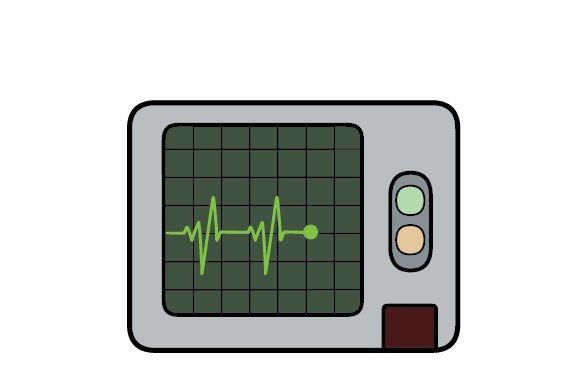
As someone who uses embroidery files daily for both client work and my own shop, I’ve learned to judge a design not just by its preview image, but by how it translates into a finished product. Today, I’m considering the Heartbeat on a Monitor design. The theme is clear: a medical-inspired graphic, a clean line tracing a heartbeat across a simple monitor screen. My first question is always practical: where does this belong?
The Immediate Mood & Where It Finds Its Home
This design has a distinct, quiet personality. It’s not loud or overly decorative; it’s symbolic and straightforward. That creates a mood of care, awareness, and professionalism. It doesn’t scream “medical,” but gently suggests it. This makes it incredibly versatile beyond just clinical settings. I immediately thought of a personalized gift for a nurse, a celebratory item for a medical school graduate, or a thoughtful baby item for a little one with a heart-related story. The crafts category here is broad—this is a design for meaningful making.
Its layout is balanced and open, without tiny, crowded details. That’s a good sign for embroidery clarity. It naturally belongs on projects where the symbol is the star: the center of a tote bag, the left chest of a sweatshirt, a focal point on a pillow cover for a recovery room, or even a simple kitchen towel in a healthcare worker’s home. It feels right for boutique products that tell a personal story.
Performance on Real Fabrics & Products
Let’s walk through a real scenario. I’m preparing a custom embroidered sweatshirt as a gift for a cardiology resident. I choose a medium-weight, stable cotton-blend sweatshirt. The design’s clean lines mean the stitch density likely won’t be excessively heavy, which is excellent for apparel comfort and for avoiding distortion on stretchy fabric. The monitor outline and heartbeat line will probably rely on a satin stitch or a clean running stitch.
On a tote bag, it would be sturdy and graphic. As a patch, it would be very recognizable. For baby clothes, I’d be cautious about size—making it smaller might lose the clear monitor shape, so it’s best on a larger item like a baby blanket or nursery decor pillow. In my craft business, this design adds value because it fills a niche. It’s not a generic floral; it’s specific, which builds customer trust when they find exactly what they’re looking for.
For digital product sellers, this embroidery file is a solid asset. The included formats like SVG and Transparent PNG are great for creating printable mockups to showcase the final product in your Etsy listings. That visual preview is key for buyer engagement.
Where Caution is Needed: The Designer's Notes
No design is universally perfect. Here’s where I’d be careful with Heartbeat on a Monitor. First, hoop size. While I don’t know the exact minimum size, the design has a defined shape. Trying to cram it into a very small hoop might compromise the clarity of the heartbeat line and the monitor corners. Always test on scrap fabric first at your intended size.
Dark fabric requires special attention. The design likely uses positive space (the heartbeat line and monitor). You’d need excellent thread color contrast—a bright white or light blue on a black sweatshirt, for instance. On textured fabrics like some blankets, the smooth line of the heartbeat might get lost; a good, firm stabilizer is essential.
I would not recommend this for highly curved surfaces like caps unless it’s a significantly simplified version, as the rectangular monitor shape might not lay flat on the curve. Also, for products needing frequent washing, like aprons or tea towels, ensuring the stitch construction is secure (no overly long, loose stitches) is important. This is something you can gauge in your test stitch-out.
Impact on Your Project's Appeal and Value
When this design is stitched well, its impact is about visual clarity and professionalism. It looks intentional and clean. That elevates the perceived value of a handmade product. For a small shop product, it helps with brand consistency if you specialize in thoughtful, symbolic designs. Its giftability is high—it feels personal and commemorative.
For commercial embroidery projects, say for a medical clinic’s staff apparel, it’s recognizably appropriate without being childish or overly casual. It strikes a balance that many clients appreciate. As a designer, I appreciate that it’s not overly complex, which usually means faster production and less thread usage, important for business margins.
Your Essential Pre-Stitch Checklist
Before you load this file and start your project, here’s my practical list. These steps separate a good result from a frustrating one.
- Test, test, test. Run the machine embroidery design on a scrap of your actual project fabric. See how the details emerge.
- Check the stitch density in your test. Is it too dense for your thin fabric? Too sparse for your thick fabric?
- Inspect the small details. Are the corners of the monitor screen sharp? Does the heartbeat line have any awkward jumps or angles?
- Create black and white mockups. How does it look on both light and dark fabric backgrounds? This helps plan your thread palette.
- Confirm the hoop size you’ll need. The product details don’t specify this, so you must check it in your software.
- Use the proper stabilizer for your fabric type. This design’s success hinges on clean lines.
- Most importantly: Confirm the licensing terms for this digital embroidery file. Before selling finished items or using it in commercial embroidery, you must know if it’s allowed. The product description doesn’t state this, so it’s a critical step to take.
Ultimately, Heartbeat on a Monitor is a design with a clear purpose and a clean execution. It won’t be for every project, but for the right project—a meaningful gift, a niche boutique product, a professional token—it stitches up into something with genuine resonance. That’s the kind of file that supports both a heartfelt hobby and a thoughtful craft business.