My Health is Worth My Time: A Designer’s Practical Review
A Message That Resonates Before the First Stitch
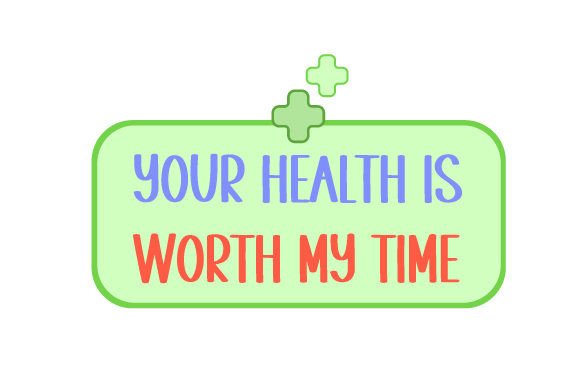
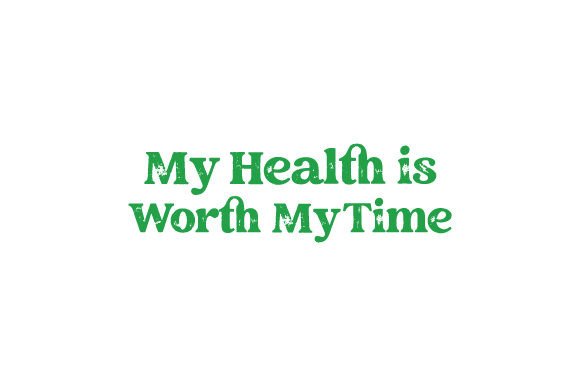
The first thing you notice with this design isn’t a flashy graphic; it’s the sentiment. My Health is Worth My Time has a grounded, affirming quality. It feels personal and empowering rather than clinical or stern. From a visual standpoint, the layout is clean and balanced. This isn’t a design shouting from a garment; it’s a quiet, confident statement. That mood immediately tells me it belongs on items meant for reflection, support, or gentle encouragement—think a cozy sweatshirt for a morning walk, a serene pillow cover in a reading nook, or a thoughtful tote bag for someone prioritizing their well-being.
Where This Design Finds Its True Home
In real embroidery work, the application defines the success. I picture My Health is Worth My Time embroidered onto a high-quality organic cotton tote bag. It becomes a daily reminder, a functional art piece. For a small shop selling mindful gifts, this could be a standout product. It would also stitch beautifully onto the corner of a linen kitchen towel or apron—a subtle nod to healthy living in the heart of the home. For baby items or nursery decor, it’s less intuitive unless adapted for a caregiver’s gift, perhaps on a blanket for a new parent. Its true strength lies in personalized gifts and self-care themed merchandise.
I recently considered it for a custom order: a client wanted an embroidered patch for her wellness journal cover. This design was perfect. The clean lettering and straightforward message would stitch clearly at a modest size, creating a professional, handmade touch that elevated a simple notebook into a cherished object. That’s the potential here—transforming everyday items into meaningful ones.
Performance on Fabric: The Real-World Stitching Scenario
When you run this embroidery file, clarity is key. The phrase My Health is Worth My Time likely uses satin stitches for the lettering, which will give a smooth, reflective finish. On a mid-weight sweatshirt or canvas tote bag, with proper stabilizer, I expect it to look crisp and durable. For apparel decorators, placement matters. Center-left on a sweatshirt or centered on a cap’s front panel would work well. The design isn’t overly dense, so it should handle curved surfaces like caps without excessive distortion, provided the hoop size is appropriate.
However, this is where practical judgment comes in. On very thin or stretchy fabrics like lightweight t-shirts, the stitch density, even if moderate, could cause puckering without meticulous stabilizer choice. Dark fabrics demand careful thread color selection—a bright, contrasting white or soft pastel would make the statement pop. Always test on scrap fabric first. This is non-negotiable. Run a sample on both a light and dark background scrap to see how the thread colors interact with your chosen fabric texture.
Caution Zones for Optimal Results
Some applications require extra care. Tiny hoop sizes might compromise the legibility of the smaller lettering; ensure the design is scaled appropriately. Textured fabrics like bouclé or terry cloth could obscure the clean lines. For products destined for frequent washing—like kitchen towels or everyday apparel—a tight, secure stitch formation is vital. Check the stitch density in your embroidery software preview. Also, be mindful of dense stitch areas if they exist; they can make a patch feel stiff. For a flexible, wearable patch, you might consider a lightweight fill stitch or even adapting it into an applique design for a different texture.
Beyond the Stitches: Value, Trust, and Presentation
How does stitching My Health is Worth My Time affect your product’s appeal? For crafters and Etsy sellers, it adds a layer of customer trust. It communicates that you understand a meaningful niche—the intersection of crafts and mindful, medical-affirming themes. A beautifully embroidered pillow with this phrase isn’t just decor; it’s a conversation piece that resonates deeply, enhancing giftability and perceived value.
For commercial embroidery projects, such as creating merchandise for a wellness boutique or a therapist’s office, this design offers brand consistency through a shared values message. The handmade presentation, when executed cleanly, speaks to professionalism and care. In your digital product listings or printable mockups, showcasing this design on a well-chosen item (like a tote or sweatshirt) can significantly boost buyer engagement because it shows a finished product vision, not just a file.
Essential Designer Notes Before You Hoop
My final advice is always practical. You received this design in multiple formats—SVG, Transparent PNG, EPS, DXF—which is excellent for flexibility. Use the vector files for precise scaling. But here’s my process:
- Always confirm the actual embroidery file specifics (stitch count, recommended hoop size, machine compatibility) from the source before running it, as these details weren’t provided here.
- Review the design in your software, inspecting small details and corners for any potential stitching issues.
- Plan your thread palette. Consider softer, natural tones for a gentle feel or bold contrasts for visibility.
- Check the licensing terms. Confirm whether it’s suitable for both personal projects and commercial use if you’re selling finished items or digital products.
- Finally, imagine it stitched. Does My Health is Worth My Time look clear, balanced, and appealing on your intended product? That’s the ultimate test.
This design, from the crafts and medical inspiration sphere, holds real potential. It’s a phrase that stitches not just onto fabric, but into someone’s daily life. With a thoughtful approach to its application, it can become a standout piece in your embroidery project portfolio or small shop product line.