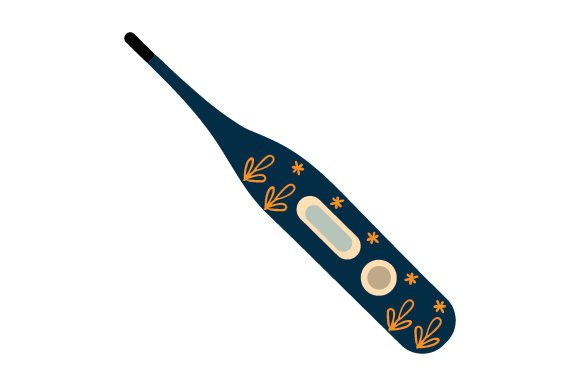
A Designer’s Take on the Hygge Scandinavian Thermometer Design
When you first open a new embroidery design, the immediate feeling tells you a lot. The Hygge Scandinavian Thermometer evokes a quiet warmth, a sense of cozy practicality. It’s not a flashy medical icon; it’s a crafted object. The gentle, rounded shape of the thermometer, paired with those soft Scandinavian typographic elements, speaks to a handmade aesthetic. This isn't about clinical precision—it's about charm. My first impression was that this design belongs on something tactile and comforting: a kitchen towel in a cozy home, a linen pillow cover in a nursery, or a personalized tote bag for a friend who appreciates quiet, thoughtful design.
Where This Design Finds Its Natural Home
In my work, I constantly match designs to projects. This one leans naturally into the crafts category. Think of it as a decorative accent rather than a functional label. For a client project, I’d consider it for a boutique baby blanket or a set of embroidered tea towels as a housewarming gift. It would shine on a cotton apron for a craft enthusiast or as a subtle, charming detail on a linen sweatshirt. For small business merchandise, like an Etsy shop selling hygge-inspired goods, this design becomes a perfect branding element—stitched onto a simple cotton pouch or a woolen cap. It feels giftable and personal.
The theme is universal enough for holiday gifts but specific enough to resonate with lovers of Scandinavian simplicity. As an apparel decorator, I see its appeal on lighter, natural fabrics where the clean lines can show crisp stitching clarity. It wouldn’t overwhelm a baby item but would add a sweet, personalized touch. As a patch, it could be lovely, though the circular shape and potential small lettering require careful execution.
Practical Performance on Real Fabrics and Products
Moving from the screen to the hoop is the real test. How does the Hygge Scandinavian Thermometer perform as an embroidery file? On a standard cotton tote bag or a mid-weight sweatshirt, I expect it to stitch out cleanly. The design likely uses a combination of satin stitch for the outline and fill stitches for the interior, creating a solid, readable form. However, the true performance hinges on the details.
On textured fabrics like a woven blanket or a linen pillow cover, you must consider stitch density and stabilizer choice to prevent puckering. On thin or stretchy fabrics, like a t-shirt, a strong stabilizer is non-negotiable to keep those rounded shapes from distorting. For dark fabric backgrounds, thread color contrast becomes critical—you'd want a bright, clean white or a pastel pop to make the design stand out with the right visual appeal.
Where I would proceed with caution is on small hoop sizes or highly curved surfaces like caps. The circular frame and any interior detailing need space to breathe. Tiny lettering, if present, can become a blur of thread on a small scale. Always test it on scrap fabric first, in the intended hoop size, to inspect those small details. I also recommend testing the design in black and white mockups to see how it holds its form without color, which is a great check for stitch structure.
Adding Value to Your Handmade Business
For craft business owners and digital product sellers, a design’s final look directly impacts customer trust and product value. A well-executed Hygge Scandinavian Thermometer embroidery on a finished product conveys professionalism and care. It feels intentional, not generic. This boosts the handmade presentation and makes an item feel gift-ready.
For brand consistency, if your small shop product line revolves around cozy, minimalist aesthetics, this design fits seamlessly. It has a recognition factor—people understand the hygge concept—which aids buyer engagement. When a customer sees it stitched onto a kitchen towel or a baby bib, they recognize the theme immediately, which adds to the perceived value.
Designer Notes for a Successful Project
Before you commit this design to a client’s custom apparel or your next craft fair product batch, run through a quick checklist. Review the provided file formats—SVG, PNG, EPS, DXF—and ensure they are compatible with your embroidery machine or software for creating printable mockups. Check the actual stitch density in your software preview; a very dense fill might require adjustments for delicate fabrics.
Always compare how the design looks on light and dark fabric backgrounds in your software. Thread color choice is everything here. A soft grey or cream on natural linen, a bold red on a dark denim apron—plan your palette for contrast and mood.
Crucially, confirm the licensing terms before selling finished items or using it in commercial embroidery projects. The product category listed as medical might imply specific use restrictions, or it might simply be a thematic tag. Don’t assume; verify. This design, with its crafts vibe, could be perfect for both personal and commercial projects, but you need to know for sure.
Finally, remember that embroidery is a tactile art. The Hygge Scandinavian Thermometer design succeeds when it feels stitched, not just drawn. On the right product, with the right preparation, it becomes a small, cozy testament to good craft—something a maker can be proud of and a customer will truly cherish.