Heartbeat Symbol: A Design Review for Crafters and Businesses
A First Impression of Clean, Compassionate Symbolism
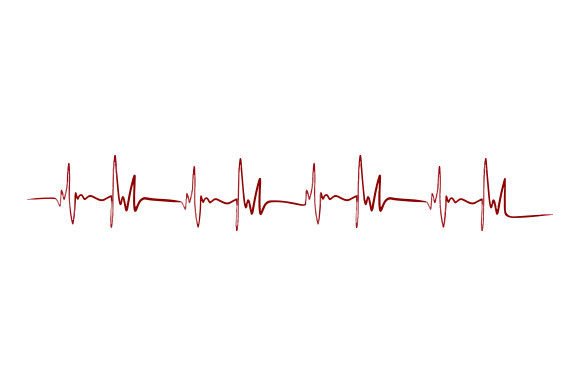
When you open the Heartbeat Symbol embroidery file, your first thought isn’t about stitches or sizing. It’s about mood. This is a design with immediate, quiet emotional weight. The clean, graphic line of a heartbeat creates a sense of care, vitality, and connection without needing words. As a designer reviewing it for real projects, I appreciate its visual personality: it’s professional enough for medical contexts, yet universally warm and human. It doesn’t scream; it speaks softly. That makes it a remarkably versatile asset for a crafter’s library.
The Natural Home for This Embroidered Symbol
My mind immediately goes to personalized gifts and small shop merchandise. This isn’t a sprawling, detailed scene; it’s a focused symbol. That means it naturally belongs on items where the message is central. Think of a custom embroidered tote bag for a nurse, a simple sweatshirt for a heart health fundraiser, or a delicate pillow cover in a recovery room. I’d also consider it for baby items—a subtle heartbeat on a blanket can be a beautiful nod to new life. For a boutique, it could anchor a line of compassion-themed products: aprons, kitchen towels, or simple caps. The Crafts category here is broad, but the Medical thematic thread gives it a specific, appreciated niche.
Where the Stitches Will Sing
In practical embroidery situations, this design’s success hinges on clarity. On a dense fabric like a canvas tote, the heartbeat line needs to be crisp. On a baby’s soft cotton jersey, the stitch density must be balanced to avoid stiffness. I envision it working beautifully as a single-color accent—perhaps a deep red or a calm blue—on the left chest of a t-shirt or the corner of a tea towel. For commercial embroidery projects, like a series of patches for a clinic’s staff, its simplicity means quick production and consistent results. It’s also a prime candidate for printable mockups in digital product listings; the transparent PNG makes that easy for Etsy sellers.
Considerations for Stitching Success
Confidence in a design comes from knowing its limits. For the Heartbeat Symbol, pay close attention to scale. If you minimize it for a tiny hoop on a cap’s curved surface, those fine details of the heartbeat peaks and valleys must remain distinct. Test it on scrap fabric first, especially if you’re using textured or stretchy material. A running stitch outline might lose definition on a knit sweatshirt without proper stabilizer. Dark fabric backgrounds demand thoughtful thread color contrast—a white or light grey heartbeat can look striking on black, but you must check the stitch coverage in a sample.
Also, inspect the small details in your software before stitching. Does the line weight translate well into satin stitch or a clean fill? This isn’t a design with dense, complicated areas, but the corners and turns are everything. They define the symbol’s recognizability.
A Note on Professional Presentation and Trust
Using a design like this on a handmade product isn’t just about aesthetics; it’s about perception. A clean, well-embroidered heartbeat symbol on a nurse’s gift apron conveys thoughtfulness and quality. It boosts the product’s value because the imagery resonates. For a small business, it can contribute to brand consistency if you’re in the wellness or care space. Customers engage with symbols that feel authentic. This design, executed well, builds that trust. Its giftability is high because it’s interpretable—a wedding gift for a couple who survived a health challenge, a holiday gift for a doctor. It feels professional without being corporate.
Practical Designer Notes Before You Hoop
Before you commit this to a client project or your next craft fair product, run through a quick checklist. Always test the embroidery file on a scrap of your intended fabric. Compare how it looks on light and dark backgrounds by creating simple black and white mockups. Confirm your hoop size can accommodate the design at the scale you want—don’t force it too small. Review the stitch density in your machine’s preview; a symbol with thin lines shouldn’t be overly dense.
Most crucially, confirm the licensing for this digital embroidery file. The formats provided—SVG, PNG, EPS, DXF—are versatile for both digital and physical use. But before selling finished items or including it in commercial embroidery projects for clients, you must understand your rights. Does it allow for physical product sales? Does it require attribution? Never assume.
Finally, think about thread colors not just for contrast, but for mood. A classic red heartbeat speaks to love and life. A silver grey on a black patch feels modern and medical. A soft pink on a baby blanket is gentle. Your thread choice becomes part of the design’s story.
The Final Verdict for Makers
The Heartbeat Symbol is a strong, simple design asset. Its power lies in its thematic clarity and embroidery-friendly form. It won’t dominate a garment or product; it will accent it with meaning. For the hobbyist making a personalized gift, it’s a thoughtful choice. For the apparel decorator or small shop owner, it’s a reliable, recognizable element that can be adapted across many products. Just remember the practicalities: test it, scale it wisely, choose your fabric and thread with purpose, and always know the license. Then, stitch it with confidence. It’s a design that, when embroidered well, will beat strongly on any project you choose.