DNA Icon: A Versatile Emblem for Crafters and Entrepreneurs
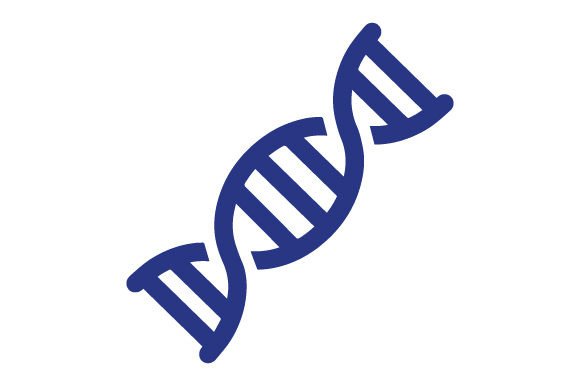
Let’s start with that first impression. When I open a new embroidery file, I’m looking for more than just a pretty shape; I’m gauging its mood and its potential personality on fabric. The DNA Icon design presents itself as a clean, structured, and instantly recognizable symbol. Its visual personality is scientific yet serene—it feels precise, thoughtful, and meaningful. This isn’t a loud, decorative piece; it’s an emblem with quiet authority. For embroidery, that’s a fantastic starting point. It suggests a design that will stitch out with clarity and lend a sense of sophistication to a finished product.
Where This Design Finds Its Natural Habitat
In practice, this kind of icon thrives in projects where meaning and simplicity are valued over pure ornamentation. I immediately envision it stitched onto a crisp, cotton lab coat or a personalized tote bag for a biology student. It would be a beautiful, subtle addition to nursery decor for a science-loving family, perhaps on a blanket or a pillow cover. As a small business owner selling handmade gifts, I’d consider it for high-quality aprons in a boutique kitchen or as a thoughtful, unique wedding gift for a couple in the medical field. The ‘Medical’ category tag is a helpful pointer, but its application in ‘Crafts’ is far broader—it’s a symbol that resonates with intellect and discovery, making it perfect for personalized products that tell a story.
The Real-Life Embroidery Scenario: A Custom Sweatshirt
Picture this common project: a client requests a custom embroidered sweatshirt as a gift for a researcher. You’re selecting the design. The DNA Icon comes up. Its clean lines and balanced form mean it won’t overpower the garment; it will feel integrated. On a mid-weight sweatshirt fabric, the satin stitches (likely forming the double helix) and any fill stitches for the background elements will need to be dense enough to hold up on a slightly textured surface, but the design’s openness suggests it won’t become a stiff, heavy patch. The visual appeal here is about recognition and understated style—it elevates a simple sweatshirt into a meaningful, conversation-starting piece. This directly boosts the product’s perceived value and customer trust in your craftsmanship.
Navigating the Practicalities of Stitching It Out
Your success with any embroidery file hinges on understanding its demands. With an icon like this, the detail level is moderate—it’s not miniature lettering, but it does have defined curves and likely some smaller connecting elements. This means you need to be mindful in a few key situations.
On curved surfaces like caps, the design’s symmetrical shape should adapt well, but always check the stitch density in those files to ensure it’s suitable for the fabric structure. On thin or stretchy fabrics, you’ll want to pair it with the right stabilizer to prevent puckering, especially if there are concentrated fill stitch areas. For dark fabric backgrounds, thread color contrast is paramount; a bright white or a contrasting color palette will make the icon pop and maintain its stitching clarity.
Perhaps the most important note: for small hoop sizes, you must inspect the small details. If you’re scaling this down significantly for a baby clothes project or a tiny patch, ensure the finest lines in the design won’t blend together or become lost. Always, always run a test on scrap fabric of the same type you’ll use for the final product. This tells you everything about how the DNA Icon will truly perform.
How It Impacts Your Business and Your Client’s Experience
Beyond the stitch quality, this design affects your work as a creative entrepreneur. For an Etsy seller or digital product seller offering finished embroidered items, it adds a niche, intelligent option to your catalog. Its giftability is high because it’s personal without being overly sentimental. For brand consistency, if you or a client runs a science-related small shop, this icon becomes a perfect, professional branding asset for aprons, tea towels, or merchandise.
When a customer sees this design on a handmade product, they perceive a level of thoughtfulness and specificity. It’s not a generic floral motif; it speaks to an interest or a profession. That connection drives buyer engagement. In commercial embroidery projects, such as for a university or a clinic, its clean execution supports a polished, trustworthy presentation.
Essential Designer Notes Before You Hoop the Fabric
My final piece of advice is a checklist I follow myself with every new design, including the DNA Icon. These steps save time, materials, and client relationships.
- Test the design on a scrap of your target fabric first. This reveals the true stitch density and how it interacts with the fabric texture.
- Check thread color contrast against both light and dark backgrounds. View it in simple black and white mockups to judge its form independently of color.
- Confirm the hoop size required for your intended project. The provided file formats—SVG, PNG, EPS, DXF—are versatile, but you must ensure your machine embroidery software and hoop can handle the size you plan to use.
- Inspect the small details in your software’s preview. Look closely at the junctions and curves.
- Use proper stabilizer for the fabric type. This is non-negotiable for a clean finish.
- Crucially, check the licensing terms for this digital embroidery file. Before selling finished items or using it in commercial embroidery, confirm you have the rights for that use. Never assume.
Approaching the DNA Icon with this practical, observant mindset transforms it from a simple digital asset into a reliable partner for your embroidery project. It’s a design that, when stitched with care, carries a weight of meaning and delivers a clean, professional result that makers, gifters, and customers will appreciate.