Nursing is in My Blood: A Design Review for Real Embroidery Projects
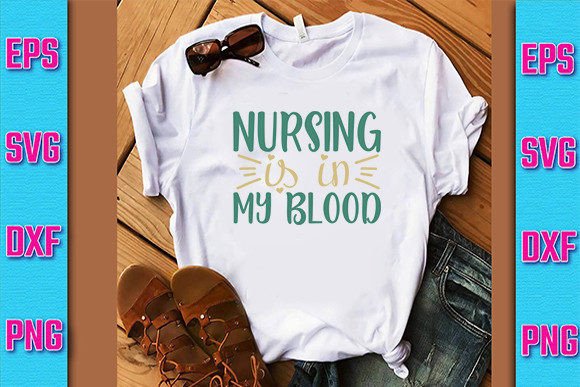
When I first opened the Nursing is in My Blood embroidery design, I was looking at it not just as a graphic, but as a potential finished product. My immediate thought was about mood. This isn't a clinical, sterile logo. It has personality. The phrasing carries a sense of dedication and passion, almost like a personal motto, and the layout suggests it’s meant to be worn or displayed proudly. It feels like it belongs on something personal, a gift, or a piece of merchandise that speaks directly to someone’s identity.
The Right Project for This Kind of Statement
Let’s picture a real scenario. I’m preparing a custom embroidered tote bag for a nurse graduating from her program. I want it to be a keepsake, something sturdy and useful that also carries a meaningful message. This design immediately comes to mind. Its statement-based nature makes it perfect for a functional item that will be seen daily. I’m thinking about how it will stitch out: the text will be the hero, with the supporting graphic elements providing a balance without overpowering the core message. It naturally fits products meant for recognition and pride—tote bags, sweatshirts, caps, or even a nicely finished apron for a home healthcare worker.
For crafters and small shop owners, this design falls into that sweet spot of being both a personalized gift and a viable small shop product. You could easily create a line of nurse-themed items: embroidered pillow covers for a nurse’s lounge, tea towels for a kitchen, or even simple patches. The theme is clear and universally understood within the community, which builds instant recognition.
Where the Design Finds Its Strength
In practical embroidery situations, Nursing is in My Blood performs best on stable, medium-to-heavyweight fabrics where the details can shine. Think cotton tote bags, denim, quilted pillow covers, or firm custom apparel like sweatshirts and polo shirts. On these surfaces, the potential satin stitch for text and the fill stitch areas for any graphical elements will hold their clarity. The value here is in the sentiment, so the finished product needs to look clean and professional to enhance that giftability and customer trust. A well-embroidered version on a good-quality hoodie feels like a thoughtful, handmade presentation, not just a generic print.
Careful Application: A Designer’s Considerations
This is where experience guides you. While the design is strong, you must think about its application. Small hoop sizes might be a challenge if the design has intricate details or small lettering. Always test on scrap fabric first to check the stitch density and clarity, especially if you’re adapting it for a smaller item like a cap or a baby bib.
I would be cautious with very textured, thin, or stretchy fabrics. The design’s impact relies on clean edges and readable text. On a stretchy t-shirt, without proper stabilizer, it could distort. On a dark fabric, thread color contrast is paramount—you might need to adjust your palette to ensure the statement pops. Similarly, on curved surfaces like caps, the layout needs to be assessed; some designs with wide elements may not fit the curve gracefully.
Another note: for products that will need frequent washing, like kitchen towels or everyday apparel, a denser stitch area might hold up better over time, but it also adds stiffness. You need to balance durability with comfort. This is a design that benefits from a professional finish, so those practical choices directly affect the perceived value.
Visual Appeal and Commercial Sense
From a business perspective, for an Etsy seller or creative entrepreneur, this embroidery file is a solid digital design asset. It has a clear target audience, which helps in creating focused printable mockups and listings. The theme supports brand consistency if you specialize in healthcare or appreciation gifts. When a customer sees it, they immediately understand the product’s purpose, which drives engagement.
However, always confirm the licensing for commercial embroidery projects before selling finished items. The provided file formats—EPS, SVG, PNG, DXF—are versatile for both digital previews and machine use, but the terms for using the design on physical products for sale must be clear. This is a fundamental step for any craft business.
Practical Notes Before You Hoop the Fabric
Here’s my checklist before running this design on a real project:
- Test it on a scrap piece of your target fabric first. This reveals how the stitch density interacts with the fabric texture.
- Check thread color contrast against both light and dark backgrounds. Sometimes a design looks perfect in a white printable mockup but needs a tweak on dark material.
- Review the design in a black-and-white view to inspect the small details and corners—this helps identify any potential stitching issues.
- Confirm your hoop size can accommodate the design comfortably, allowing for clean execution.
- Use the proper stabilizer for your specific project. A tote bag might need one type, a baby blanket another.
- Finally, step back and imagine it as a finished product. Does it feel right for a holiday gift, a boutique product, or a personal item? That instinct is often your best guide.
Nursing is in My Blood is more than a graphic; it’s a statement waiting to be stitched into something real. Its real power lies in pairing it with the right project and executing it with care. When you do that, it elevates a simple item into a meaningful piece of handmade product, which is, after all, what great embroidery is about.