Dog Having a Surgery: A Surprising Design for Specific Niches
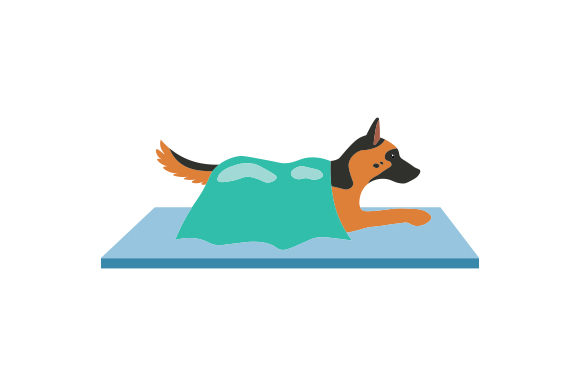
When you see the title Dog Having a Surgery, your first reaction is probably a mix of curiosity and concern. As a professional embroiderer, my initial scan of a design file is about its practical viability and its marketability. This one immediately stands out—it’s not a generic floral motif or a trendy quote. It’s a specific, narrative scene with a clear and unusual theme. The visual personality, based on the artwork, leans towards a lighthearted, almost cartoonish take on a serious situation. It creates a mood of sympathetic humor, which is a delicate but powerful balance. This isn’t a mass-market design; it belongs naturally to projects aimed at a very particular audience: veterinary staff, pet lovers with a dog recovering from surgery, or perhaps those in the medical field with a sense of humor about their work.
Where This Design Finds Its Perfect Home
The strength of Dog Having a Surgery lies in its specificity. For a general craft business, it might be too niche. But for a designer or small shop owner targeting a community, it’s gold. Imagine preparing a custom embroidered sweatshirt for a veterinary technician who just helped a beloved pet through an operation. Or a personalized tote bag for a dog owner whose pup is finally home after a procedure. It could be a wonderfully unique gift, far more thoughtful than a generic "I Love My Dog" design. As a patch, it would be perfect on a medical professional's work bag or a recovery-themed pet blanket. The key is context—this design transforms a routine machine embroidery project into a deeply personalized product.
Considering Visual Appeal and Customer Reaction
In terms of visual appeal, the success hinges entirely on stitching clarity. The scene likely involves a dog and medical elements, which means distinct outlines and clear, separate areas for fill stitch and satin stitch. You need to consider how these elements will read on fabric. On a dark background, like a black cap, you'd need excellent thread color contrast to keep the details from getting lost. On a light fabric, like a baby onesie for a "welcome home" gift (assuming the recipient understands the theme), it could be charming. The design’s value isn’t in broad aesthetic appeal, but in its emotional resonance for the right customer. That builds incredible trust and engagement for a handmade business—it shows you can cater to unique, heartfelt needs.
Practical Stitching: Navigating the Real Project
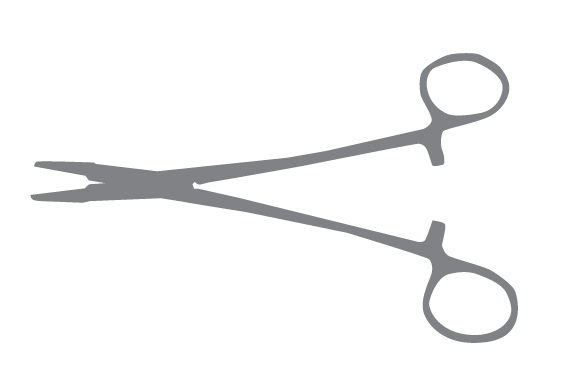
Moving from theory to the hoop, let’s talk about real-life embroidery project performance. I’d instinctively test this on scrap fabric first, especially because the category is Medical and Crafts, which can imply detailed icons or instruments. Check for small, dense stitch areas. If there are tiny details like surgical tools or small text, they might require a smaller hoop size and careful stabilizer choice to prevent puckering. On textured fabrics like a sweatshirt, a good, solid stabilizer is non-optional. For stretchy fabric, you’d need to be extra cautious to maintain the shape.
I would strongly advise testing it in both light and dark fabric mockups before committing to a client project. The emotional tone of the design—that sympathetic humor—could be completely lost if the stitching is muddy on a dark background. For products needing frequent washing, like kitchen towels or aprons for a vet clinic, you’d want to ensure the stitch density is robust enough to withstand laundering without fraying.
Commercial Use and Designer Notes
For Etsy sellers and digital product sellers, this design is a fantastic asset for building a specialized collection. You could create printable mockups showing it on a tote, patch, or baby blanket for a digital listing. However, a crucial note: always confirm the licensing terms for any digital embroidery file before selling finished items or the file itself. The provided formats—SVG, Transparent PNG, EPS, DXF—are versatile for both machine embroidery and potential digital previews, but the license for commercial use must be clear.
For apparel decorators or small shops offering custom apparel, this is a low-volume, high-impact product. It won’t sell in bulk, but the few sales you make will be to deeply appreciative customers. It elevates your brand from a generic craft business to one that understands niche storytelling.
Where to Apply Extra Caution
Some applications require careful thought. On curved surfaces like caps, the central scene must be evaluated for its layout—if it’s a wide, horizontal scene, it might not fit well on a curved crown. Thin fabrics, like a light t-shirt, might show distortion if the design has heavy fill areas. Also, consider the audience: putting this on a general holiday gift might confuse people, but as a specific wedding gift for a couple who are both veterinarians? Perfect. The "crafts" categorization reminds us it’s for handmade products, but the "medical" tag guides its ideal context.
Ultimately, Dog Having a Surgery is a design that asks the embroiderer to think like a storyteller. Its success isn’t just in clean stitches, but in matching the stitch-out to a moment in someone’s life. It’s a confident choice for a designer who wants to move beyond decoration into meaningful, personalized craft. Test it thoroughly, place it thoughtfully, and it will become a standout piece in your portfolio, offering a level of professionalism and engagement that generic designs simply cannot.