An Honest Designer's Review of I Can’t Stay at Home I’m Nurse Tee Svg
As someone who has spent years stitching designs for clients and my own small shop, I approach every new embroidery file with a practical eye. It’s not just about whether a design is cute or trendy—it’s about how it will translate into thread on fabric, how it will feel in the hands of a customer, and what kind of project it truly belongs to. So, when I sat down to evaluate the I Can’t Stay at Home I’m Nurse Tee Svg for a real embroidery project, I was looking for its soul, its stitchability, and its commercial sense.
The Immediate Mood and Visual Personality
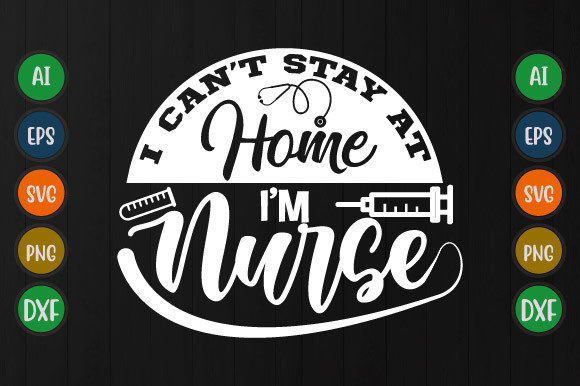
First impressions matter, especially when a customer is browsing your Etsy listings or selecting a gift from your craft fair table. This design has a clear, confident personality. It’s bold, straightforward, and carries a sense of pride and gentle humor. The layout is balanced, with the text taking clear precedence, and the illustrative elements—the nurse cap and subtle details—supporting the statement without overpowering it. This isn’t a fussy, overly detailed graphic; it’s a statement piece. That tells me immediately that it belongs on items where the message is the star: a custom sweatshirt for a nursing school graduate, a tote bag for a hard-working healthcare professional, or a simple, elegant patch on a jacket.
A Real-Life Scenario: Crafting a Personalized Gift Tote
Let’s imagine a real case. A client requests a custom embroidered tote bag for her sister, a nurse who just finished a grueling year. She wants it to be durable, useful, and a genuine token of appreciation. This is where the I Can’t Stay at Home I’m Nurse Tee Svg design comes into play. I’d consider the fabric—a sturdy canvas or cotton. The design’s clean lines and lack of extreme minute detail mean it can handle the texture without losing clarity. The sentiment is perfect: it’s celebratory, acknowledging the sacrifice without being somber. In my mind, I’m already thinking about thread colors. A classic white or blue satin stitch for the text on a navy bag, perhaps a red accent for the cap. The result wouldn’t just be a bag; it would be a conversation piece, a wearable badge of honor that feels handmade and thoughtful.
Performance Across Real Embroidery Projects
This design’s versatility is one of its strongest assets. Its clear, vector-based foundation (thanks to the included SVG, AI, and EPS files) means it scales beautifully without losing integrity. For machine embroidery, this is crucial. I can envision it working well on a range of items, each needing a slightly different approach.
- Custom Apparel: On a t-shirt or sweatshirt, it would need proper stabilizer to handle the stretch, but the lettering isn’t so thin that it would distort easily on a quality knit.
- Home Goods: Embroidered on a pillow cover or a kitchen towel for a nurse’s lounge, it becomes decorative and personal. The stitch density would need to be adjusted for softer fabrics like terry cloth to prevent puckering.
- Baby and Nursery Items: On a baby blanket for a nurse’s newborn, it becomes a sweet heirloom. Here, I’d likely soften the stitch types, perhaps using more fill stitch than dense satin, to keep it gentle and safe.
- Commercial & Boutique Products: For a small shop selling handmade patches or branded merch for a clinic, the design is professional and instantly recognizable. It lends itself well to printable mockups for digital storefronts, showing customers a clear vision of the finished product.
The key is that the design doesn’t try to do too much. It has a focused theme, which makes it adaptable rather than generic.
Where This Design Requires a Careful Hand
Even with a strong design, practical embroidery wisdom dictates caution in certain applications. For the I Can’t Stay at Home I’m Nurse Tee Svg, here are my notes on where to pause and plan.
- Small Hoop Sizes & Tiny Details: If you’re trying to shrink this down for a cap or a small baby item, pay close attention to the smaller illustrative elements. They might need simplification to remain clean at a very small scale.
- Textured or Stretchy Fabrics: While the design is robust, on very thin or highly textured fabric, the clarity of the text could suffer if the stitch density isn’t matched to the fabric weight. Always test on a scrap first.
- Dark Fabric Backgrounds: This is a classic consideration. On dark fabrics, the design will likely need to be stitched in light, bold thread colors. The high-quality PNG provided can help you preview this contrast in black and white mockups before you stitch.
- Products for Frequent Washing: If this is going on a work apron or a frequently used kitchen towel, consider using durable threads and potentially a slightly simplified stitch approach for the finer details to ensure longevity.
How This Design Translates to Customer Value
Beyond the stitch itself, a design like this affects the perceived value of your handmade product. For crafters and small business owners, that’s everything. When a customer sees this embroidery on a product, the clean execution of the sentiment builds trust. It says you understood the theme and executed it professionally. For a personalized gift, it increases the giftability immensely—it feels specific and considered, not mass-produced. For your own brand, if you’re selling a line of healthcare-themed items, this design contributes to brand consistency; it’s readable, approachable, and emotionally resonant.
It also engages buyers quickly. In a marketplace saturated with generic phrases, “I Can’t Stay at Home I’m Nurse” is direct and relatable. It taps into a shared experience, which makes the embroidered item not just decoration, but a statement of identity. That’s a powerful driver for sales in niches like holiday gifts for professionals, wedding gifts for colleagues, or boutique merchandise for medical offices.
Essential Designer Notes Before You Hoop the Fabric
Before I would run this design on any machine for a client project or my own shop, here’s my practical checklist. These steps save time, materials, and ensure the final product reflects the quality of the design file itself.
- Always test on scrap fabric of the same type and weight as your final project. Check for stitch density issues, especially in any fill areas.
- Review thread color contrast against your background fabric. Use the PNG file to create quick digital previews on light and dark backgrounds.
- Confirm your hoop size can accommodate the design at the scale you want, ensuring all details remain clear. Don’t assume—measure the design dimensions after you’ve imported it.
- Inspect the small details in the illustration. On your screen, they might look fine, but in thread, they could become muddled. Plan your stitch types accordingly.
- Use proper stabilizer. This is non-negotiable for professional results, especially on apparel or stretchy materials.
- Crucially, confirm the licensing terms for this design before selling any finished items or digital products. The product description lists the file formats, but the license for commercial use is a separate, vital piece of information you must verify.
Embroidery is a blend of art and engineering. The I Can’t Stay at Home I’m Nurse Tee Svg design provides a strong artistic foundation. Its success in a real embroidery project—whether for a heartfelt gift or a line of small shop products—hinges on applying that engineering: thoughtful fabric choice, careful stitch planning, and an understanding of who will ultimately hold the finished product. It’s a design that, with a practical hand, can stitch a story that feels both personal and profoundly professional.