An Embroidered Portrait of Medical Excellence
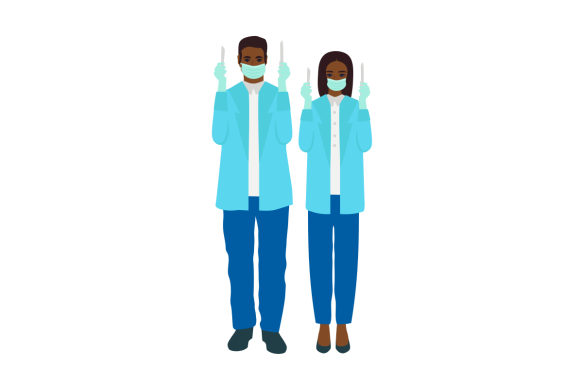
When a new embroidery file lands in your library, the first question is always: where does this belong in the real world? Will it stitch up cleanly, resonate with a client, and hold its own on a finished product? Looking at the African American Surgeons, Male and Female Holding Instruments design, I’m immediately struck by its clear narrative. This isn’t a generic medical symbol; it’s a specific, dignified representation. The mood it creates is one of professional pride and quiet authority. The layout, with two figures holding their instruments, feels balanced and intentional—perfect for a centerpiece on an item.
A Design Built for Meaningful Projects
This design’s visual personality leans toward celebration and recognition. Think about a custom embroidered tote bag for a graduating medical student, or a personalized sweatshirt for a surgeon retiring after decades of service. The theme lends itself to gifts that carry weight. I can easily imagine it stitched onto a crisp pillow cover for a doctor’s office lounge, or as a standout patch on a high-quality apron for a medical professional who also loves to cook. It naturally fits products meant to honor, congratulate, or simply affirm identity within the medical field.
For small business owners and Etsy sellers, this opens a niche. A baby onesie with this design becomes a powerful statement for a child of medical parents, transforming simple baby embroidery into a deeply personal heirloom. As a holiday gift, embroidered onto a premium tea towel or blanket, it moves beyond generic into genuinely thoughtful. The key is pairing the design with a product that matches its gravitas—it feels right on sturdy, well-made items.
Navigating the Stitching Terrain
In practical embroidery situations, the detail level here demands attention. On a dark fabric like a navy sweatshirt, the contrast will be crucial; you’ll want to test thread colors to ensure the surgeons’ features and instrument details remain clear. For textured fabrics like some tote bag materials, a good, firm stabilizer is non-negotiable to prevent the fill stitches from getting lost. The design likely contains areas of varying stitch density—the instruments and hands might be denser than the outlines of the figures.
Where should we use it carefully? On very small hoop sizes, some of the finer elements might lose definition. Stretchy fabrics like t-shirts require extra stabilization to keep the embroidery from pulling. Layered garments with seams or curved surfaces like caps need careful positioning; you’d want to avoid placing intricate corners over a seam. While the design doesn’t appear to have tiny lettering, the instruments themselves are detailed, so a test run on scrap fabric is a must to see how your machine interprets those lines—whether as running stitches or satin stitches.
From Digital File to Customer Trust
How does this embroidery file translate into product value? When stitched cleanly, it elevates a handmade product. It tells a story, which increases customer engagement. For a creative entrepreneur selling in a boutique or at a craft fair, it offers a point of differentiation. It’s not just a decoration; it’s a representation. That builds trust with a specific audience. The professionalism of the design, when executed well, reinforces the professionalism of your craft business.
For giftability, it’s strong. It’s recognizable and meaningful. For brand consistency, if your small shop focuses on empowerment or career-themed items, it’s a perfect fit. The inclusion of both male and female figures broadens its appeal and relevance, making it suitable for a wider range of personalized gifts and commercial embroidery projects without needing alteration.
The Designer’s Practical Checklist
Before you run this machine embroidery design on a final project, here’s my grounded advice. Always, always test on scrap fabric first, ideally a piece similar to your final product fabric. Check thread color contrast against both light and dark backgrounds—create simple black and white mockups in your software to preview the silhouette. Inspect the small details in the provided file formats; the transparent PNG is great for quick previews, but the SVG, EPS, and DXF files are where you’ll see the vector paths your machine will follow.
- Review the apparent stitch density in your software’s simulation. Are there extremely dense fill areas that might require a slower stitch speed or a different needle?
- Confirm the hoop size you’ll need by measuring the design dimensions. Don’t force a large design into a small hoop.
- Use the proper stabilizer for your fabric choice—this isn’t a design you’d want to skimp on support.
- Crucially, check the licensing terms for this digital embroidery file. Before selling finished items or listing it as part of a digital product bundle, confirm whether it’s cleared for personal and commercial projects. This step protects your business.
In the end, the African American Surgeons, Male and Female Holding Instruments design is a confident, purposeful design asset. It belongs in the hands of makers who understand its potential beyond the stitches. It’s for the crafter preparing a gift that says “I see your achievement,” and for the apparel decorator creating a custom piece that carries genuine respect. In the world of medical-themed crafts, this design stands out by being specific, inclusive, and dignified—all qualities that, when embroidered with care, transform a digital file into a finished product with real impact.